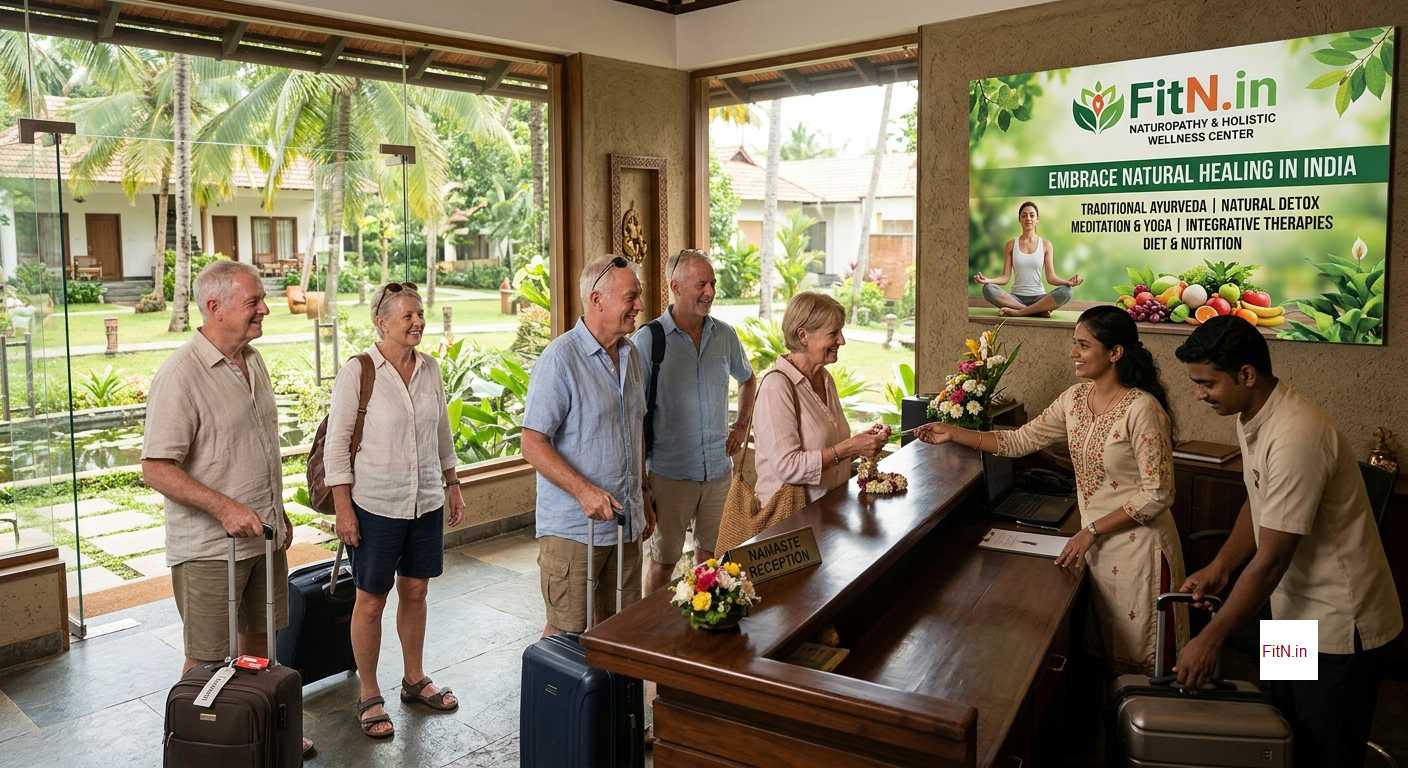
Introduction to Medical Tourism
Medical tourism refers to traveling to another country for medical treatment, surgery, diagnosis, rehabilitation, or wellness care. In India, this concept extends beyond hospital-based care and often includes post-treatment recovery, traditional medicine, and preventive health programs. Patients may travel for elective procedures such as joint replacement, cosmetic surgery, dental treatment, fertility services, or weight-loss surgery, as well as for complex, life-saving care such as cancer treatment, cardiac surgery, organ transplantation, and neurosurgery.
The growth of medical tourism is closely linked to healthcare economics, access, and quality. In many countries, treatment costs are high and waiting times can be long. India offers a practical alternative by combining affordability with technical capability. In addition, many Indian hospitals cater specifically to international patients through dedicated departments that assist with medical records, travel coordination, interpreter services, accommodation, and follow-up care.

Why India Is a Major Medical Tourism Destination?
India has emerged as a major destination for medical tourists because it offers a broad combination of strengths. Patients are drawn by lower treatment costs, experienced specialists, modern diagnostic systems, and large tertiary care hospitals. The country also offers a high degree of service diversity, meaning a patient can receive treatment in a global-style urban hospital or choose a more wellness-centered recovery environment after surgery.
Another important factor is language accessibility. English is widely used in India's major hospitals, making communication easier for many international patients. In addition, Indian doctors are often trained in large academic centers and may have studied or worked abroad. This gives many patients confidence in the clinical competence and communication standards of the healthcare teams.
India's medical tourism growth is also supported by the country's wellness heritage. Many patients want more than a hospital procedure; they want an integrated recovery experience. India can offer both cutting-edge medicine and traditional healing, which is unusual in global healthcare markets.
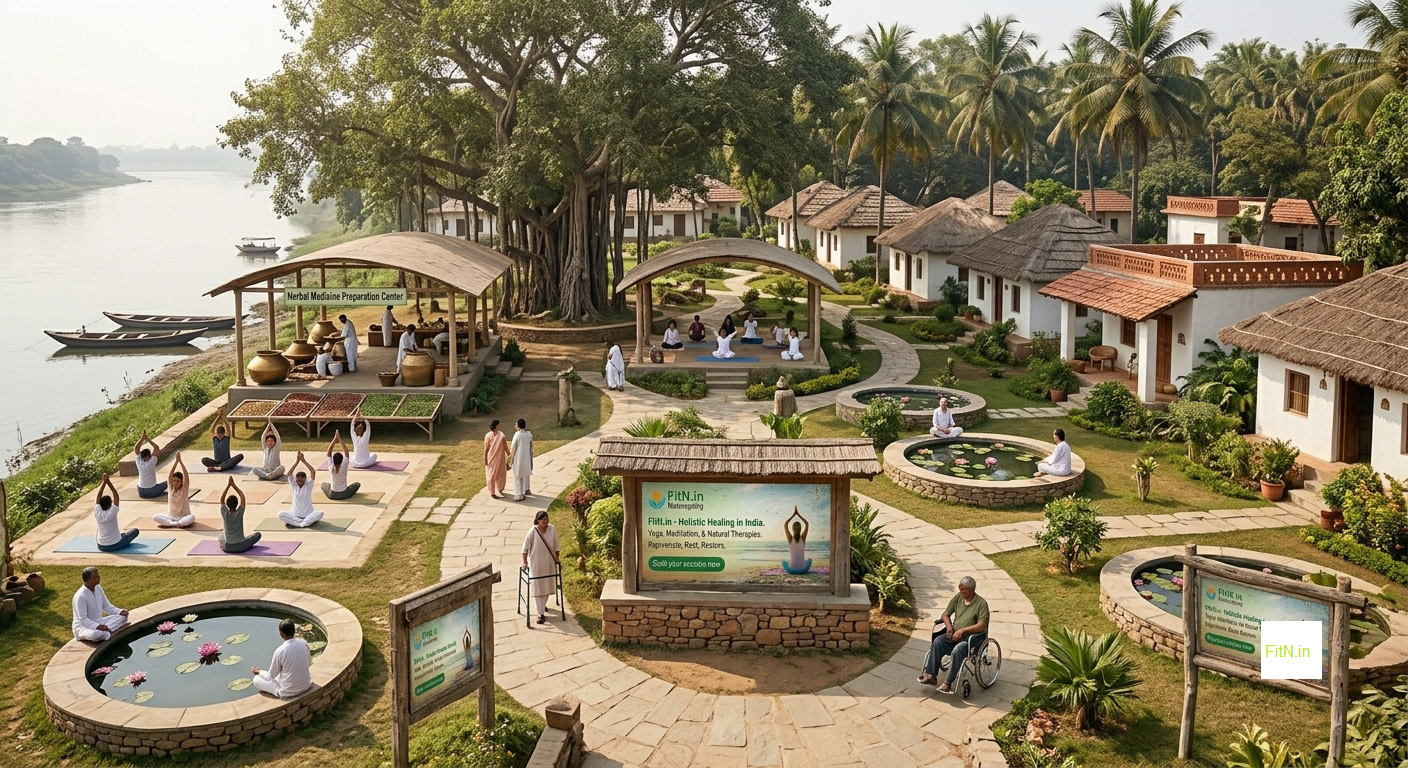
Historical Development of Medical Tourism in India
Medical travel to India did not begin as a branded industry. Initially, patients from neighboring countries and diaspora communities came for care because it was cheaper or more accessible than in their home countries. Over time, as private healthcare expanded and standards improved, India became a destination for more complex and international patient volumes.
The development of large corporate hospitals in cities such as Delhi, Mumbai, Chennai, Hyderabad, Bengaluru, and Ahmedabad played a major role. These institutions introduced advanced surgical technologies, intensive care capabilities, specialized departments, and international patient desks. As a result, India moved from being a low-cost treatment option to a recognized medical destination with multiple clinical specialties.
Government support also helped. Medical visas, tourism promotion, and public messaging around wellness and healthcare have contributed to India's visibility. In recent years, the country has increasingly branded itself as a destination for “medical value travel,” emphasizing not only cost but also overall value, expertise, and patient experience.
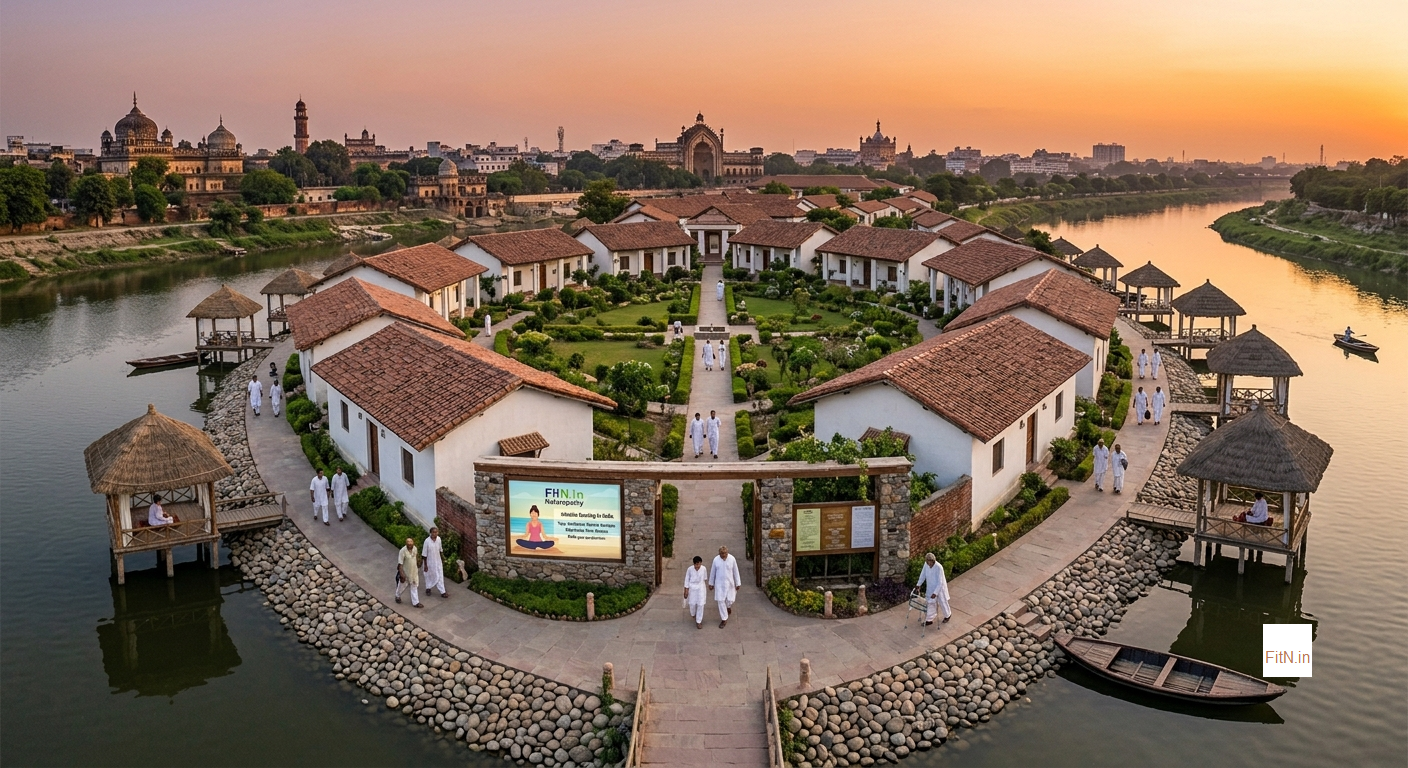
What are the Core Strengths of Indian Healthcare?
India's medical tourism appeal rests on several core strengths.
First, the country has a large number of specialist doctors across nearly every major discipline.
Second, many private hospitals are equipped with advanced imaging systems, robotic surgery platforms, catheterization laboratories, modern ICUs, and specialized operating theaters.
Third, treatment costs are generally lower than in many Western healthcare systems.
A fourth strength is procedural breadth. International patients do not come to India for one type of treatment alone. They come for orthopedic surgery, cardiology, oncology, fertility treatment, bariatric surgery, liver and kidney transplants, neurology, ophthalmology, and cosmetic procedures. This diversity broadens India's market and makes it relevant to many patient needs.
A fifth strength is the combination of medicine and wellness. India is one of the few countries where a patient can receive a modern surgical procedure and then transition into yoga-based rehabilitation or Ayurveda-based recovery, depending on medical suitability. This blended model appeals to patients seeking a more complete healing journey.
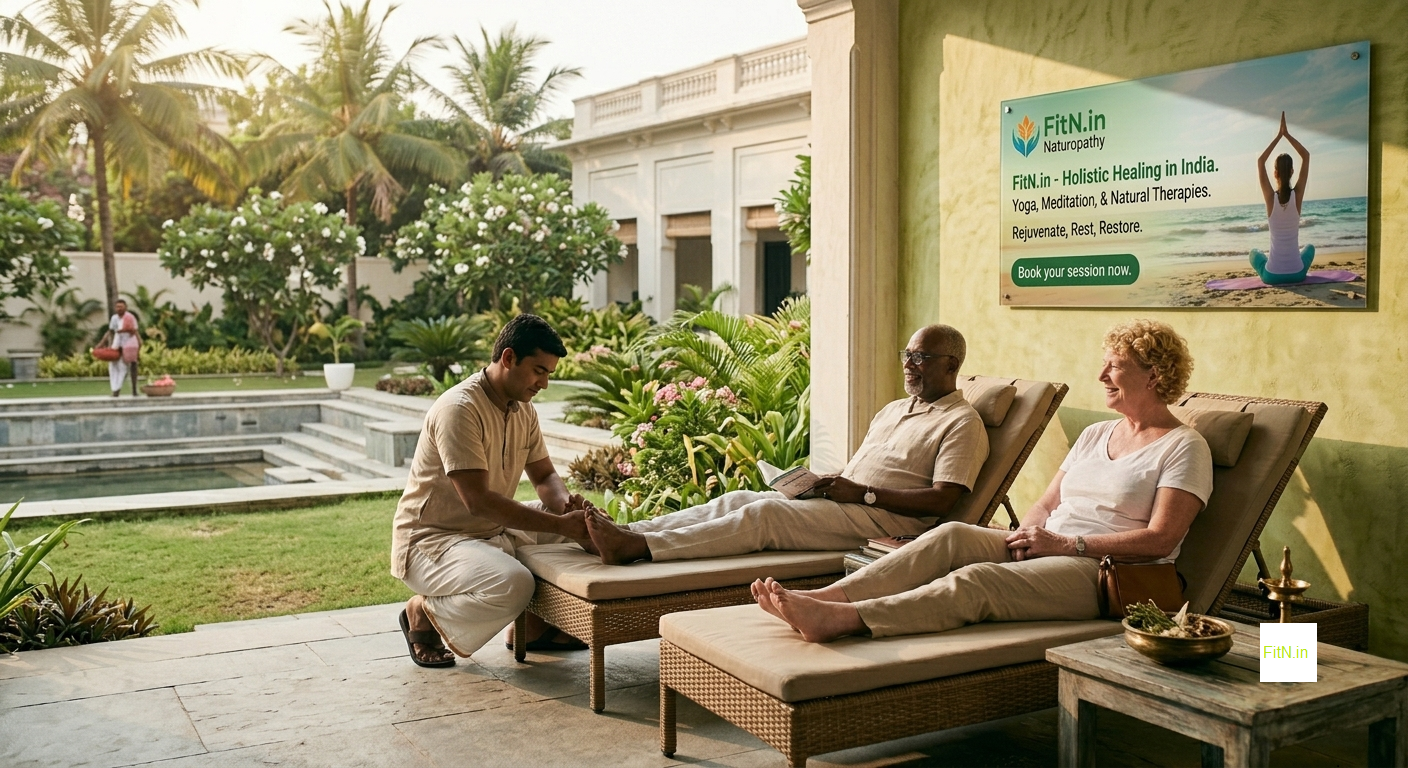
What are the Major Treatments Offered to International Patients in India?
India offers a wide spectrum of treatments to medical travelers. Some are high-complexity procedures requiring advanced technology and multidisciplinary care, while others are elective treatments with a strong cost advantage.
Cardiac Care
Cardiac care is one of the most prominent areas in Indian medical tourism. Patients travel for coronary artery bypass grafting, angioplasty, valve replacement, electrophysiology procedures, and cardiac rehabilitation. Large heart institutes in India are known for experienced cardiologists, interventional teams, and surgical outcomes that are competitive globally.
Orthopedic Surgery
Joint replacement surgery, spine care, trauma surgery, and arthroscopic procedures are popular among international patients. India is especially attractive to patients seeking knee replacement and hip replacement at lower cost without compromising quality. Rehabilitation support after surgery is also increasingly available.
Cancer Treatment
Oncology is another major growth area. Patients come for chemotherapy, radiation therapy, surgery, immunotherapy support, and multimodal cancer care. India's cancer centers often combine medical, surgical, and radiation oncology services under one roof, which simplifies treatment planning.
Fertility and IVF
India is a major destination for fertility treatment, including in vitro fertilization, embryo transfer, and related reproductive services. Couples often seek treatment in India because of lower costs, shorter waiting times, and the availability of experienced fertility specialists.
Organ Transplants
India has developed major capabilities in kidney, liver, and bone marrow transplantation. These are among the most advanced and carefully regulated procedures in the country. Patients who need complex transplant care often choose India because of its strong surgical expertise and multidisciplinary hospital infrastructure.
Neurosurgery and Spine Care
International patients also travel to India for brain tumor surgery, spine surgery, epilepsy treatment, and deep neurological evaluation. The country has strong neurocritical care units and highly trained neurosurgical teams.
Cosmetic and Dental Procedures
Cosmetic surgery, facial reconstruction, dental implants, smile design, and related procedures are popular because these services are often more affordable in India. Many patients combine these procedures with shorter recovery vacations.
Ayurveda and Wellness
Medical tourism in India is not only about surgery and hospital stays. Wellness travel is also a major segment. Ayurveda, yoga therapy, detox programs, physiotherapy, stress management, and lifestyle restoration plans are increasingly marketed to international visitors who want preventive or restorative care.
Best Cities for Medical Tourism in India
India's medical tourism hubs are concentrated in major urban centers with strong hospital ecosystems, airport connectivity, and international patient support.
Delhi NCR
Delhi and the surrounding national capital region are major medical hubs. The region offers top private hospitals, specialist consultants, transplant centers, cancer care, and strong international access through a major airport network. Patients choose Delhi NCR for broad specialty coverage and efficient hospital access.
View FitN CampusMumbai
Mumbai is home to many premium hospitals and is especially known for cardiology, oncology, cosmetic surgery, and multi-specialty care. The city's medical network is backed by strong private sector infrastructure and broad specialist depth.
View FitN CampusChennai
Chennai is widely recognized for orthopedics, cardiac treatment, and transplant care. Many international patients choose Chennai because of its long-standing healthcare reputation and comparatively cost-effective service model.
View FitN CampusBengaluru
Bengaluru has developed into a major center for technologically advanced care, including robotic surgery, fertility treatment, and specialist diagnostics. It also appeals to patients looking for a calmer recovery environment than larger metropolitan centers.
View FitN CampusHyderabad
Hyderabad offers strong private hospital networks, oncology care, fertility services, and multi-specialty medicine. It is a fast-growing healthcare destination with rising international visibility.
View FitN CampusAhmedabad
Ahmedabad is known for efficient care delivery, cardiac services, surgical treatment, and affordability. It is increasingly attractive to patients who want high-quality care at a lower total cost.
View FitN CampusKochi
Kochi combines modern care with a strong wellness identity. Its position as a destination for Ayurveda and recovery-oriented treatment makes it especially interesting for patients seeking integrated health travel.
View FitN Campus
Medical Tourism Cost Advantage in India
One of the most influential factors in the growth of medical tourism in India is cost. In many cases, the price of treatment in India is much lower than in developed markets, even when delivered by highly experienced specialists in modern hospitals.
This advantage does not imply lower quality. Instead, it reflects differences in labor costs, operational expenses, administrative overhead, and healthcare pricing structures. The result is that patients can often access procedures that might otherwise be unaffordable in their home countries.
General Cost Categories
| Treatment Type | India | Typical Global Comparison |
|---|---|---|
| Cardiac surgery | Lower-cost range | Usually much higher Elsewhere |
| Joint replacement | Lower-cost range | Usually much higher Elsewhere |
| IVF treatment | Lower-cost range | Usually much higher Elsewhere |
| Dental care | Lower-cost range | Usually much higher Elsewhere |
| Cancer treatment | Lower-cost range | Usually much higher Elsewhere |
The actual price depends on many variables, including city, hospital class, surgeon seniority, implant or device selection, number of treatment sessions, room type, and length of stay. Still, for many patients, India remains significantly more affordable while maintaining strong standards of care.
International Patient Services
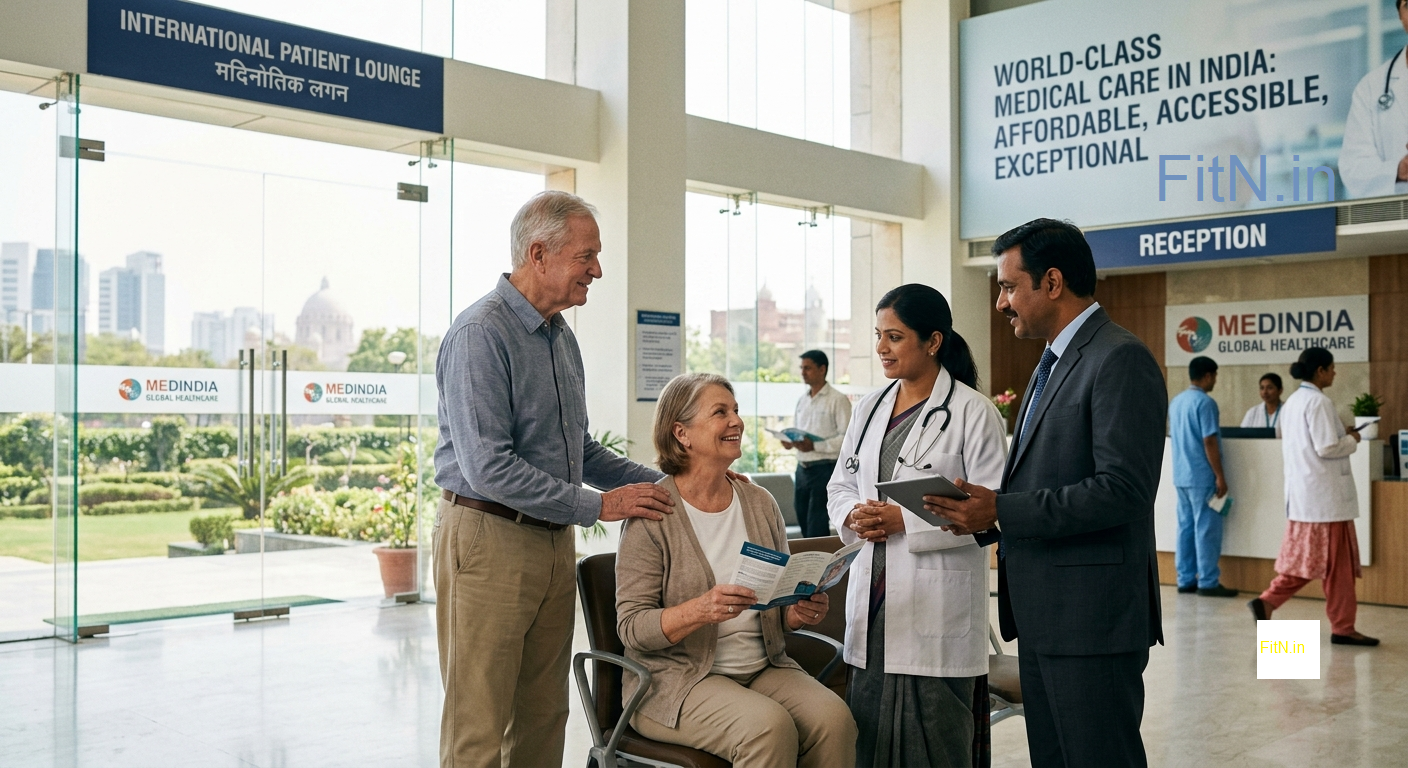
A major reason for India's success in medical tourism is the growth of international patient departments. These departments are designed to reduce the complexity of cross-border healthcare.
Common services provided
- Pre-arrival consultation and opinion review.
- Treatment planning and estimated cost breakdowns.
- Visa support documentation.
- Airport pickup and transfer.
- Interpreter services in selected hospitals.
- Accommodation coordination.
- Appointment scheduling and concierge support.
- Follow-up planning after discharge.
This support is important because patients traveling for treatment often arrive under stress, with limited local familiarity, urgent medical concerns, and family members who also need guidance. A well-organized patient service structure reduces friction and improves trust.
Medical Visa and Entry Support
India has made it easier for patients to travel for care by offering medical visa pathways and related support systems for eligible foreign nationals. This is a critical part of the country's medical tourism strategy because travel rules often determine whether patients can realistically access treatment.
Medical visas typically support treatment for recognized health conditions and may allow attendants to accompany the patient. Many hospitals help patients prepare the necessary paperwork, appointment letters, and treatment estimates required for the visa process. This coordination is one reason India remains competitive against other medical destinations.
Wellness Tourism and Recovery
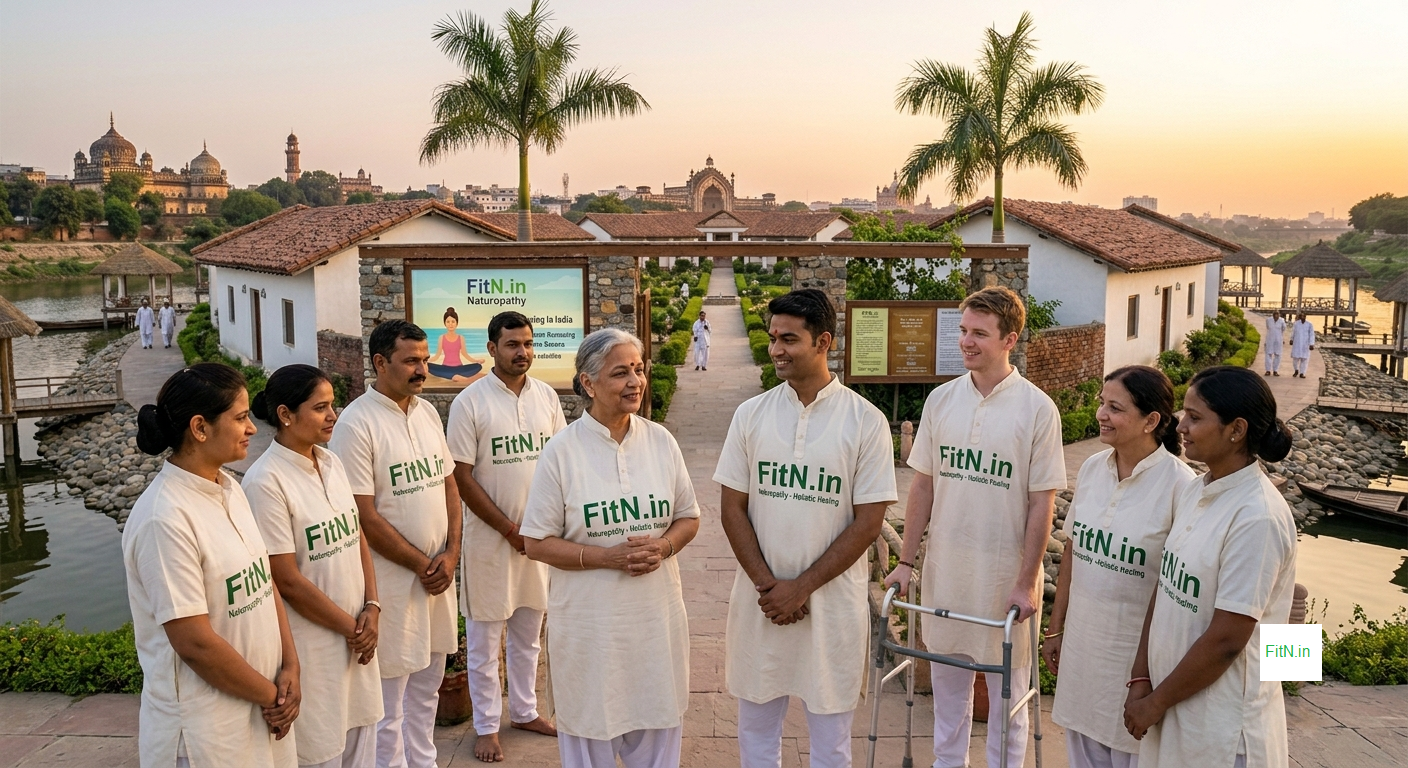
The wellness dimension distinguishes India from many other healthcare destinations. Recovery is not limited to post-operative hospital discharge. Patients can continue healing through Ayurveda, yoga, pranayama, meditation, therapeutic nutrition, hydrotherapy, physiotherapy, and supervised lifestyle modification.
Wellness tourism is especially attractive to patients seeking a gentler recovery environment after surgery or those arriving for preventive care rather than acute treatment. The country's long-standing traditions in mind-body healing help create a broader, more holistic image of healthcare.
This is also useful from an SEO perspective, because users often search not only for hospitals but also for recovery programs, detox retreat options, Ayurveda centers, and long-term wellness experiences in India.
Technology and Clinical Infrastructure
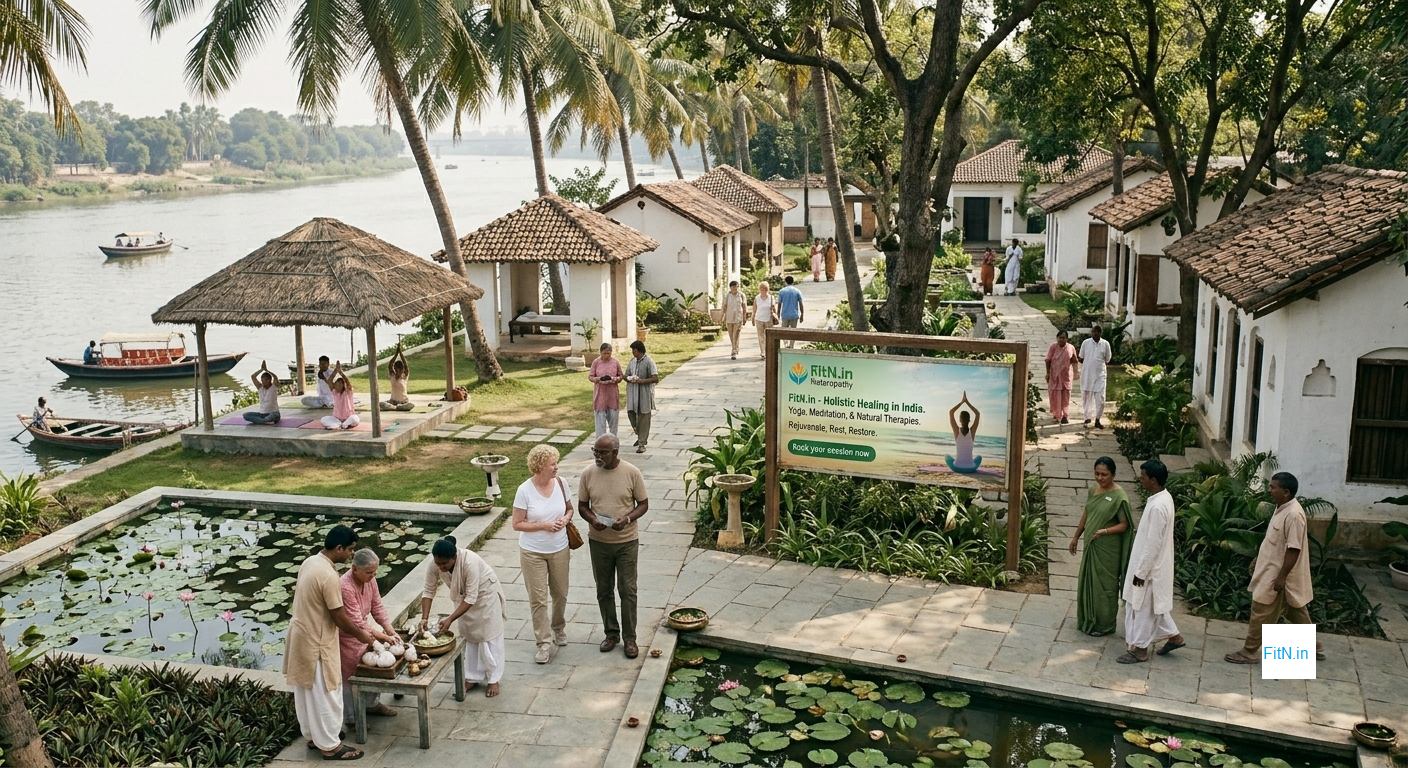
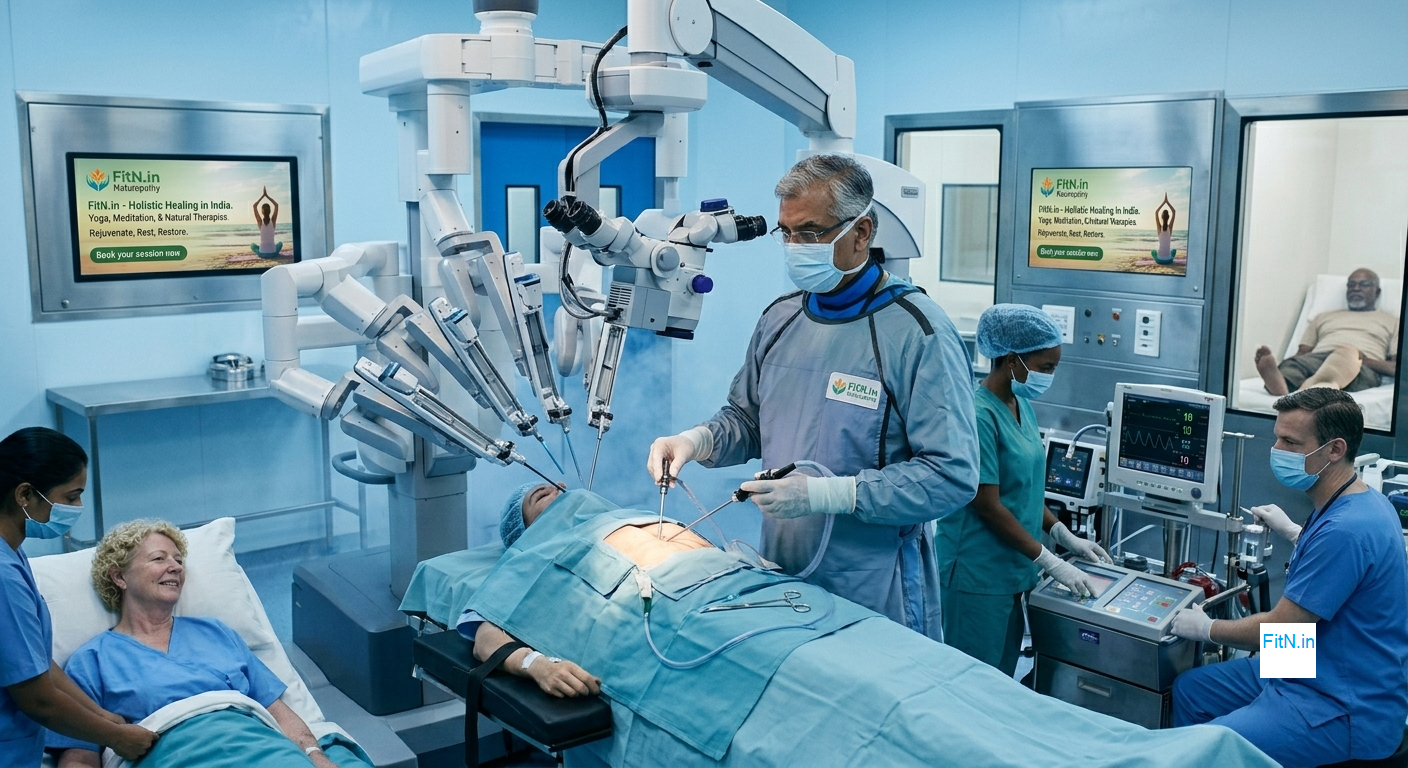
India's leading hospitals have adopted modern medical technology to support complex procedures. This includes digital imaging systems, robotic-assisted surgery, advanced radiology, minimally invasive surgery, hybrid operation theaters, modern neonatal care, and sophisticated ICUs.
The expansion of technology has allowed India to move into higher-value medical tourism segments. Patients no longer travel only for low-cost procedures; they also travel for high-precision treatments that require advanced equipment and experienced teams. This shift has elevated India's credibility and expanded the range of conditions treated.
The availability of telemedicine and digital consults has also made pre-travel screening easier. International patients can now share reports, receive opinions, and estimate treatment requirements before deciding to fly. This saves time and reduces uncertainty.
Quality, Accreditation, and Trust
Trust is one of the most important factors in medical tourism. Patients are often making high-stakes decisions about surgery and international travel at the same time. As a result, hospital reputation, clinical track record, and quality standards matter greatly.
Many leading Indian hospitals maintain formal quality certifications and follow structured treatment protocols. International patients often look for indicators such as specialty depth, infection control, nursing standards, patient reviews, successful procedure volumes, and clarity of communication.
Trust also depends on transparency. Good hospitals provide clear estimates, explain risks, outline treatment timelines, and disclose expected recovery periods. This type of communication is essential in medical tourism, where patients are often trying to compare countries, hospitals, and treatment methods quickly.
What is the Role of the Indian Government on Medical Tourism?
Government policy has played a supportive role in the development of medical tourism in India. Public messaging has increasingly framed India as a destination for medical value travel and wellness experiences. The Ministry of Tourism has promoted the medical and wellness tourism segment as an important part of the country's service economy.
Policy support includes visa facilitation, destination marketing, and industry recognition. The government has also emphasized the importance of quality healthcare access and international patient friendliness. These efforts strengthen India's position in global healthcare travel markets.
At a strategic level, medical tourism contributes to both health sector growth and tourism revenue. It also encourages the continued upgrading of private medical infrastructure, which can have benefits for domestic healthcare capacity as well.
Medical Tourism Market Growth
The market for medical tourism in India has expanded steadily due to rising global demand and improved Indian capacity. Growth is driven by patients searching for affordability, faster treatment access, and access to specialist expertise. Demand has also been boosted by digital discovery, since patients now research hospitals, doctors, and procedures online before choosing a destination.
India is increasingly seen as a “value” market rather than simply a cheap market. This distinction matters. Patients are not only looking for lower prices; they are also looking for a combination of cost, quality, and confidence. India's healthcare ecosystem has become more successful as it has aligned itself with this expectation.
Main Indian Medical Tourism Growth Drivers
- Rising treatment costs in developed countries.
- Longer waiting times in some healthcare systems.
- Expansion of Indian private hospital networks.
- Strength in tertiary and quaternary care.
- Availability of English-speaking clinicians.
- Medical visa support.
- Online research and digital health consultation.
- Growth in wellness-based recovery options.
Factors Patients Should Consider
Although India offers many benefits, medical tourists should still evaluate several practical factors carefully. No destination is risk-free, and medical travel requires planning.
What are the Important Considerations for Indian Medical Tourism Patients?
- Choose a hospital that matches the required specialty.
- Compare doctor experience, not just package cost.
- Ask for itemized pricing and clarify inclusions.
- Confirm pre-operative tests and post-operative follow-up.
- Understand whether the treatment is inpatient or outpatient.
- Ask about estimated recovery time before travel home.
- Carry all previous medical reports, scans, and medication lists.
- Verify whether the hospital can support language needs if necessary.
A patient should also ensure that the chosen treatment is appropriate for travel. Some conditions may require immediate local emergency care rather than international travel. Medical tourism works best when the patient is stable enough to travel and has a structured treatment plan.
Risks and Challenges
Like every global healthcare system, India's medical tourism sector has challenges. Patients may encounter varying hospital standards, uneven quality among providers, communication gaps, and post-treatment continuity issues. Not every facility offering low-cost treatment is appropriate for complex care.
Another challenge is follow-up. A patient who returns home quickly after surgery may need continued wound care, medication adjustments, or physiotherapy. If the home-country doctor is not included in the handoff, continuity may suffer. Therefore, treatment planning should include return-care arrangements.
There can also be cultural and logistical differences. Food, climate, transportation, traffic, and hospital routines may all affect comfort and recovery. These factors are manageable, but they should be acknowledged honestly.
How to Choose the Right Hospital?
Choosing the right hospital is one of the most important decisions in medical tourism. The ideal hospital depends on diagnosis, procedure complexity, budget, city preference, and recovery needs.
Indian Hospital Selection Criteria by Patients
- Strong reputation in the specific specialty.
- Experienced surgeon or consultant team.
- Appropriate hospital infrastructure and ICU support.
- Clear communication with international patients.
- Transparent pricing and treatment planning.
- Good postoperative support and rehabilitation.
- Reliable coordination for travel and accommodation.
Patients often make the mistake of selecting a hospital only on the basis of advertisements or price. A better approach is to examine the hospital's treatment volume for the specific condition and the depth of the specialist team.
Role of Facilitators and Travel Partners
Medical tourism facilitators can simplify planning, especially for first-time travelers. They often help coordinate hospital appointments, pricing comparisons, airport transfers, accommodation, and local logistics. For patients unfamiliar with India, this can reduce anxiety and save time.
However, facilitators should be used carefully. The patient should still verify the hospital directly, confirm the doctor's credentials, and understand all treatment details. Good facilitators support informed decision-making; they should not replace independent verification.
India Compared with Other Destinations
India competes with countries such as Thailand, Singapore, Turkey, Malaysia, and the United Arab Emirates in the medical tourism market. Each destination has its strengths. India is particularly strong in affordability, specialist depth, and large-scale complex care.
Compared with some premium destinations, India often offers broader access to lower-cost procedures. Compared with some regional competitors, it may have stronger capacity in certain high-volume specialties and wellness integration. Its challenge is to continue improving consistency, patient experience, and international branding.
Future of Medical Tourism in India
The future of medical tourism in India appears strong. Continued investment in hospitals, digital health, robotics, and specialty medicine is likely to strengthen the sector further. At the same time, wellness tourism and preventive health offerings will probably become more important.
Artificial intelligence, remote consultation, and improved global patient pathways may also make Indian healthcare more accessible to overseas patients. In the future, the sector may become even more integrated, with hospitals, wellness centers, and travel services working together more smoothly.
A major opportunity lies in regional trust-building. If India continues to improve transparency, quality control, and international patient support, it can deepen its reputation as a destination for both advanced medicine and holistic recovery.
Frequently Asked Questions
What is E-medical Visa Policy of India?
E-medical visa policies have had a clear positive impact on patient inflow growth in India by reducing entry friction, widening eligible source markets, and making treatment travel faster and easier. The effect is especially visible in post-pandemic recovery, where policy support and digital facilitation have helped medical tourism rebound strongly.
How the policy helps?
E-medical visa systems reduce the time and paperwork needed for overseas patients to enter India for treatment. That matters because medical travel is often urgent, and delays can push patients toward competing destinations with easier visa access. By making the process simpler, India improves conversion from treatment inquiry to actual arrival.
The policy also expands reach across many countries, which increases the pool of potential patients. Travel and healthcare reports note that India extended e-medical visa facilities to nationals of 167 countries, a change expected to strengthen inflow growth. In practical terms, broader eligibility makes India accessible to more patients who may previously have faced embassy delays or complex paperwork.
Evidence of Growth
Industry reporting linked the visa expansion to a strong rise in arrivals. One report said India saw a 33% year-on-year rise in medical tourism in 2023, and that the sector was expected to exceed pre-pandemic visitor numbers by the end of 2024. Another government source noted rising medical tourism momentum and digital facilitation as part of a broader policy push.
At the same time, official data also shows that medical arrivals are still sensitive to overall travel conditions and policy frictions. That means e-medical visa reform is helpful, but not sufficient on its own; hospital reputation, pricing, and international connectivity still matter.
Why inflow grows faster?
- Faster approval improves patient confidence.
- Fewer documentation barriers increase conversion.
- Easier attendant travel supports family-based decision-making.
- Broader country coverage expands the addressable market.
- Digital processing makes India look more accessible than destinations with slower visa systems.
These benefits are especially important for patients seeking time-sensitive procedures such as cardiac care, oncology, fertility treatment, and surgery. When the visa process is simple, hospitals can close cases faster and schedule treatment earlier.
Limits of the impact
Visa policy is powerful, but it does not solve everything. Patients still compare hospital quality, specialist expertise, total cost, and aftercare before deciding where to go. If these elements are weak, easier visas alone will not guarantee growth.
There is also evidence that medical visa activity can fluctuate despite policy improvements. So the real effect of e-medical visa reforms is best understood as a growth accelerator, not a standalone driver.
Bottom line
E-medical visa policies have helped India increase medical tourist inflow by making entry simpler, broader, and more predictable. They are most effective when combined with strong hospitals, better patient services, and active government promotion of medical tourism.
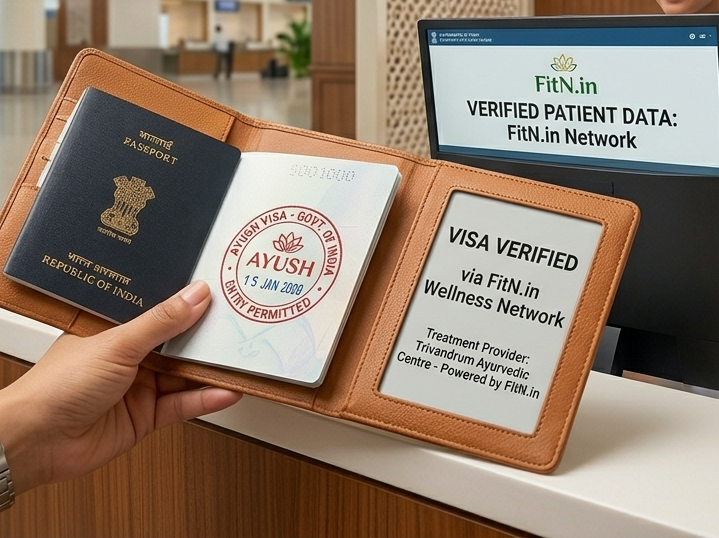
What preparation should I make before applying for Indian Medical Visa?
Checklist and budget: below is a detailed, practical preparation checklist for applying for an Indian medical visa (patient and attendant), plus a conservative budget estimate you can adapt to your case.
Essential documents (what to prepare before applying)
- Passport: original with at least 6 months validity from date of application and at least 2–3 blank pages.
- Completed visa application form: filled online on the official Indian visa portal, printed and signed where required.
- Photographs: two recent passport-size photographs (usually 2"x2", light background) glued/pasted where requested.
- Hospital invitation / admission letter from the treating Indian hospital: original or scanned on the hospital's letterhead stating patient name, diagnosis, proposed treatment, expected admission date and estimated duration of stay.
- Referral letter from your local physician: describing the patient's condition and reason for referral to India.
- Medical records: complete set of relevant medical documents-diagnosis reports, imaging (CT/MRI/X-ray) CDs or reports, pathology, prescriptions, treatment history, and any test results.
- Treatment cost estimate / fee statement: detailed cost estimate from the Indian hospital including treatment, surgery, consumables, bed charges, and approximate duration.
- Proof of funds: recent bank statements (usually last 3 months) in applicant's name showing adequate funds or a bank guarantee/affidavit of support; some posts request a minimum balance or a statement showing capacity to cover expenses.
- Proof of onward/return travel: round-trip or onward ticket (some missions request this).
- Attendant documents (if applicable): passport, visa application form, photographs, and a letter from the hospital inviting the attendant or confirming need for attendant; if attendant is a minor/elderly relative, additional documents may be required.
- Identity documents: national ID or other identity proof if requested by the consulate/visa center.
- Any additional consulate-specific forms: some Indian missions require extra affidavits, sponsor letters, or notarized documents—check the specific embassy/consulate checklist before submission.
Administrative steps and timing
- Start early: begin 3–6 weeks before planned travel; some embassies allow faster processing but gathering medical reports and hospital letters takes time.
- Apply via the official portal and submit documents at the designated visa application center or Indian mission as required by your country.
- Pay visa fees: follow the fee schedule on the mission's site and keep payment receipts.
- Biometrics / interview: be prepared for appointment at the visa center for biometrics or brief interview if requested.
- Collect visa and check details: on visa issuance, verify name, passport number, visa type and validity before travel.
Travel, medical and local preparations
- Medical insurance and travel insurance: arrange international medical insurance and travel insurance that cover medical evacuation and complications where possible; confirm coverage limits and exclusions.
- Pre-book hospital appointment and room: confirm admission date and reserve hospital room/type; get contact details for hospital international/patient relations.
- Accommodation and local transport: research accommodation near the hospital for patient and attendant(s); arrange airport pick-up through hospital or private taxi.
- Medication and supplies: bring an adequate supply of prescription medicines (in original packaging) plus a doctor's prescription and a list of generic names.
- Communication: plan for a local SIM card or roaming, and share hospital contact details with your family.
- Vaccinations and health checks: check and obtain any recommended vaccinations or pre-travel checks (as advised by your doctor).
- Indian arrival formalities: carry all printed hospital and medical documents to present on arrival and for hospital admission.
Budget: estimated costs and ranges
Note: these are conservative, general estimates; actual costs depend on hospital, city, treatment complexity, number of attendants and duration of stay.
- Visa & consular fees: typically modest (varies by nationality and mission); estimate: USD 30–200 per person depending on service and urgency.
- Flight (round-trip international): economy class from South Asia to Indian metros: approx. USD 150–900; from farther countries higher.
- Hospital treatment costs: highly variable by specialty. Examples: Routine consultation and diagnostics: USD 50–500. Minor procedures / day-care surgeries: USD 500–3,000. Major surgery (e.g., cardiac, orthopedic joint replacement): USD 5,000–30,000+ depending on procedure and implants.
- Hospital stay (room + nursing + basic meds): typical private hospital per-day charges vary by city and room type: USD 50–500 per day.
- Medicines, consumables, investigations: USD 50–2,000 depending on treatment.
- Accommodation for attendant(s) (outside hospital): budget hotels or guesthouses near hospitals: USD 15–80 per night, mid-range hotels higher.
- Local transport and incidentals: taxis, food, local tests: USD 10–50 per day.
- International patient management fees / facilitation (if using a medical facilitator): service fees range widely, USD 50–1,000+.
- Contingency buffer: always plan 20–30% extra above the estimated medical and living costs to cover complications or extended stays.
Sample 2-week conservative budget (for planning only)
Low-cost scenario
(minor procedure, 1 attendant)
Visa/fees USD 100, Flights USD 300, Treatment & hospital charges USD 800, Accommodation USD 350 (2 people, 14 nights at low-range), Local costs & meds USD 200, Contingency 25% ≈ USD 437
Total ≈ USD 2,187
Moderate scenario
(moderate surgery, 1 attendant)
Visa USD 150, Flights USD 500, Treatment & hospital USD 6,000, Accommodation USD 700, Local costs & meds USD 500, Contingency 25% ≈ USD 1,962
Total ≈ USD 9,812
Major surgery scenario
(complex surgery, ICU, 1 attendant)
Visa USD 200, Flights USD 700, Treatment & hospital USD 20,000, Accommodation USD 1,400, Local & meds USD 2,000, Contingency 25% ≈ USD 6,825
Total ≈ USD 31,125
How to refine your budget (practical steps)
- Ask the Indian hospital for an itemized written estimate (treatment, implants, bed category, ICU likelihood).
- Request typical length of stay and follow-up schedule.
- Get cost estimates for medicines and tests from the hospital pharmacy or international desk.
- Obtain quotes for accommodation near the hospital and compare short-stay vs longer-term discounts.
- Check airfare at different times and book refundable or changeable tickets if possible.
- Confirm what insurance will cover and get pre-authorization if required.
Checklist to submit to the embassy/visa center (quick packing list)
- Printed and signed visa application form.
- Passport + copies of data page and previous passports (if any).
- Two passport photos.
- Original hospital invitation/admission letter + copy.
- Referral letter from local doctor + copies of medical records and test reports.
- Treatment cost estimate from hospital.
- Bank statements (last 3 months) or sponsor letter and proof of funds.
- Flight reservation/itinerary.
- Attendant documents (if any).
- Visa fee payment receipt.
Practical tips and cautions
- Verify the specific Indian embassy/consulate checklist for your country — requirements and fee amounts vary by mission and nationality.
- Use only official visa portal links or accredited visa application centers to avoid scams.
- Keep originals and multiple sets of copies of medical records.
- Maintain clear communication with the Indian hospital's international patient desk — they often provide a dedicated coordinator for paperwork and logistics.
- Keep emergency contact details for the hospital and your embassy/consulate in India.
Official portal
- India's medical and Ayush visa portal: Medical and Ayush Visa Portal
- India's general visa portal for online applications: India Visa Online
- India government information page on medical visas: Information on Medical Visa for India
Country-Specific Consulate Checklists
| Country | Official checklist / consular page |
|---|---|
| USA | Permanent Mission of India in Geneva medical visa page is a generic official example of required documents and portal flow; for the USA, use the Indian mission website for your jurisdiction and the Indian medical visa portal above. |
| UK | Use the medical visa portal and the Indian High Commission/Consulate site for your UK jurisdiction. |
| Canada | BLS Canada Medical & Medical Attendant Visa Checklist (blsindia-canada) |
| Australia | Use the medical visa portal and the Indian mission site for Australia. |
| South Africa | Use the medical visa portal and the Indian mission site for South Africa. |
| Japan | Use the medical visa portal and the Indian mission site for Japan. |
| South Korea | Use the medical visa portal and the Indian mission site for South Korea. |
| China | Use the medical visa portal and the Indian mission site for China. |
| Russia | Use the medical visa portal and the Indian mission site for Russia. |
| Germany | Use the medical visa portal and the Indian mission site for Germany. |
| France | Use the medical visa portal and the Indian mission site for France. |
What these pages usually require?
For medical visas, Indian missions commonly ask for a filled visa form, recent passport photos, a passport with sufficient validity, proof of travel, proof of funds, and a hospital invitation or pre-validation letter from the Indian hospital.
The official portal also notes that hospitals generate the medical visa invitation letter and extension letter through the medical and Ayush visa system.
Practical Next Step
Use the medical and Ayush visa portal first, then open the Indian mission website for the country where you will submit the application, because that mission's checklist is the one that controls the final document set. For Canada specifically, the BLS checklist is already published and can be used as a model for the kind of documents Indian missions typically expect.
I am applying for Indian Medical Visa from USA, What should I do?
Since you're applying from the USA, the key rule is to use the Indian mission that has jurisdiction over your state of residence, then follow that mission's medical visa checklist and appointment process. For the actual online application, use India's official visa portal and the medical visa portal: India Visa Online and Medical and Ayush Visa Portal.
What you should do first?
- Confirm which Indian consulate handles your U.S. state, because the checklist and submission route can vary by jurisdiction.
- Complete the visa application online, then print it and sign it where required.
- Obtain a hospital invitation/admission letter from the Indian hospital, since this is central to a medical visa application.
- Gather your medical records, doctor referral letter, passport, photos, and proof of funds before booking the appointment.
Core Documents
- Passport with at least 6 months validity.
- Recent passport photos.
- Completed visa form.
- Hospital letter from India with treatment details and expected duration.
- Local doctor's referral and recent medical reports.
- Bank statements or other proof showing you can pay for treatment and stay.
- Travel itinerary or tentative flight booking.
U.S Submission Flow
- Start with the Indian visa portal and the medical visa portal.
- Then follow the instructions on the Indian consulate or visa service page that covers your state.
- If the consulate asks for biometrics, appointment booking, or paper submission, complete those steps exactly as instructed.
- Keep copies of everything, because medical visa processing can require follow-up if documents are incomplete.
Budget to Plan
For a U.S. applicant, the biggest costs are usually treatment, airfare, lodging, and daily local expenses in India. A conservative planning range is:
- Visa-related costs: roughly low hundreds of USD depending on service type and processing route.
- Round-trip airfare: often several hundred to over a thousand USD depending on city and season.
- Accommodation: budget for at least 2–6 weeks if treatment or recovery is needed.
- Medical treatment: this varies widely, so ask the hospital for an itemized estimate before you travel.
- Contingency fund: keep an extra 20–30% for follow-up tests, longer stay, or complications.
Best next step: The most useful thing now is to identify your U.S. state so the correct Indian consulate checklist can be matched to you. Check which state you are applying from.
I am applying from the UK, What should I do?
For the UK, you should follow India's official e-Visa portal for eligible cases and the High Commission of India in London for regular medical visa instructions. The London mission states that a medical visa is for treatment in established, recognized, or specialized hospitals in India, and attendants can receive a matching medical attendant visa.
Official Links
- India e-Visa portal: Indian Visa Online
- Medical and Ayush Visa Portal: indianfrro.gov.in
- High Commission of India, London medical visa page: hcilondon.gov.in
What the UK page requires?
The London mission says you must submit medical documents proving the need for treatment in India and the bona fides of seeking that treatment. It also confirms that attendants or family members can get a medical attendant visa coterminous with the patient's medical visa.
Documents to Prepare
- Passport with at least 6 months' validity and blank pages.
- Recent photo.
- Hospital letter from India on letterhead confirming diagnosis, tentative admission date, and treatment plan.
- Your medical reports and referral letter from a UK doctor or hospital.
- Proof of funds for treatment and stay.
- If applying for an attendant, passport, photo, and relationship/supporting documents if asked.
UK Application Route
For many UK applicants, the e-Medical Visa route is available online through the Indian visa portal, and the portal says e-Medical Visa allows 60 days from first arrival with triple entry. The portal also says applicants must upload photo and passport bio page, complete the form themselves, and print the ETA after approval. If your case needs a regular medical visa instead, the London mission page is the official reference point.
Practical Checklist before you Apply
- Get a detailed letter from the Indian hospital.
- Collect all relevant medical records and scans.
- Prepare proof of funds and travel plan.
- Choose e-Medical Visa if your case fits the online route; otherwise use the regular visa process through the London mission.
- Keep copies of everything, because the portal may ask you to re-upload unclear documents.
Budget to Plan
For UK applicants, your biggest costs will usually be treatment, flights, accommodation, and local transport in India. The official sources do not publish a single fixed budget, so the safest approach is to ask the Indian hospital for an itemized estimate and add a 20–30% contingency for extra days, tests, or complications.
I want to apply from Australia or New Zealand, what should I do?
For Australia and New Zealand, the main rule is the same: use India's official medical visa route, and then follow the checklist issued for the Indian mission or visa center that serves your country. The portal information already gathered shows the e-Medical Visa pathway for eligible applicants, and the Australia-specific VFS checklist confirms the medical/medical-attendant document set used there.
Australia
- Australian travelers need a valid visa to enter India, and for medical treatment the relevant documents are the hospital letter, medical records, passport, photo, and proof of funds.
- The Australia VFS checklist for India includes a "Medical or Medical Attendant Visa Checklist," which is the clearest official document reference for applicants from Australia.
- If your case fits the online route, the India visa portal supports e-Medical Visa applications, and the portal says the e-Medical Visa is valid for 60 days from first arrival with triple entry.
- If the case is not suitable for e-Medical Visa, follow the consular process and checklist used by the Indian mission/VFS serving Australia.
New Zealand
- New Zealand applicants can also use the India e-Medical Visa route when eligible, and the portal requires passport bio page upload, a recent photo, and a hospital letter.
- The New Zealand information gathered states that the medical eVisa is commonly described as allowing 60 days' stay per entry and triple entry.
- The key documents are the same: passport, photo, Indian hospital letter, your medical records, and proof that you can pay for treatment and stay.
- For anything beyond the online route, use the Indian mission instructions that apply to New Zealand residents.
Australia & NZ Checklist Comparison
| Item | Australia | New Zealand |
|---|---|---|
| Main official route | India visa portal for eligible e-Medical cases, plus the Australia VFS medical checklist for paper submissions. | India visa portal for eligible e-Medical cases, then the Indian mission's instructions for New Zealand residents. |
| Passport | Valid passport with enough validity and blank pages. | Valid passport with enough validity and blank pages. |
| Photo | Recent passport-size photo. | Recent passport-size photo. |
| Hospital letter | Hospital invitation/admission letter from India confirming treatment, dates, and duration. | Hospital invitation/admission letter from India confirming treatment, dates, and duration. |
| Medical evidence | Doctor referral, diagnosis papers, scans, reports, and treatment history. | Doctor referral, diagnosis papers, scans, reports, and treatment history. |
| Funds | Bank statements or proof you can pay for treatment and stay. | Bank statements or proof you can pay for treatment and stay. |
| Attendant documents | If a caregiver travels, include their passport, photo, and supporting relationship documents if requested. | If a caregiver travels, include their passport, photo, and supporting relationship documents if requested. |
Budget Planning
The official pages do not publish a fixed all-in budget, so your best planning method is to ask the Indian hospital for an itemized treatment quote and then add flights, lodging, food, local travel, and a 20–30% contingency. That is especially important for medical travel, because extra tests, longer stays, or follow-up procedures can change the total quickly.
Practical Next Step
For Australia, use the VFS medical visa checklist together with the India visa portal. For New Zealand, use the India visa portal first and then match your paperwork to the mission instructions for your local Indian consular jurisdiction.
I am applying from Europe, What should I do?
If you're applying from Europe, the safest path is to use India's official medical visa system first, then follow the checklist of the Indian embassy/consulate that has jurisdiction over your country of residence. India's Medical and Ayush Visa Portal is the central place for medical visa invitation letters, and many European missions require the hospital invitation, passport, photo, proof of funds, and supporting medical records.
What to do first?
- Identify the Indian embassy/consulate for your country in Europe, because the document list can differ slightly by mission.
- Get a hospital letter from an established or recognized hospital in India confirming diagnosis, admission, and proposed treatment.
- Collect your doctor's referral, recent test reports, scans, and treatment history from your current doctor or hospital.
- Prepare proof of funds, passport copies, and passport photos that match Indian visa specifications.
Common Documents
Most European missions ask for:
- Printed online visa application form.
- Passport with at least 6 months validity and blank pages.
- Recent passport-size photos.
- Invitation or admission letter from the Indian hospital.
- Original medical prescription or supporting medical report from your local doctor.
- Proof of sufficient money to cover treatment and stay.
- Medical insurance copy, if required by that mission.
Country Examples in Europe
- Germany: the Berlin mission says the hospital admission letter is required, and applicants must generate the invitation letter through the official medical visa link before submission.
- Italy: the Rome mission lists the online visa form, passport, residence proof for some applicants, hospital invitation letter, original medical prescription, proof of funds, and medical insurance copy.
- Belgium/Luxembourg: the Brussels checklist requires the online regular visa form, passport, residence proof, 2 photos, treatment letters from India, and supporting medical documents from the home country.
- Greece: the Athens mission says to apply for a regular paper sticker medical visa through the online form and then submit the printout with supporting documents.
I am in France, How should I apply for Indian Medical Visa?
For France, the submission path depends on whether you are applying for India's regular medical visa or the e-Medical Visa route. The main starting point is India's official medical visa system, then you submit through the Indian Embassy/Consulate/visa center that handles France.
- Get a hospital letter from an established or specialized hospital in India confirming diagnosis, treatment plan, and expected duration.
- Collect your medical records, scans, and a doctor's referral from France or your current country of treatment.
- Fill the online Indian visa application form and print it for submission.
- Prepare a passport with sufficient validity, recent passport photos, and proof of funds for treatment and stay.
- Submit the printed application and supporting documents to the Indian mission or visa center that serves your area in France.
Budget Planning
The visa itself is usually a small part of the total cost. The main budget items are flights, treatment, accommodation, local transport, food, and a contingency buffer of about 20-30% above the hospital's estimate.
Can I extend my Indian Medical Visa?
Yes. Indian medical visa extensions are often possible, but they are granted only on medical grounds and usually require support from a recognized hospital in India. The extension is typically handled through India's foreigner registration/immigration process, not by your home country's embassy.
What you usually need?
- Valid passport and current visa.
- A letter from the Indian hospital saying treatment is still ongoing and extension is medically necessary.
- Medical reports showing why you need more time.
- Passport bio page, visa page, and entry stamp copies.
- Proof of accommodation in India, if requested.
- Attendant documents, if a family member is also staying on a medical attendant visa.
How it generally works?
- Your treating hospital prepares a medical extension recommendation letter.
- You apply through the Indian immigration/FRRO process while in India.
- You upload or submit the required documents.
- The authorities review whether the extension is justified on pressing medical grounds.
- If approved, your stay is extended for the period allowed under the rules and your passport/visa record is updated accordingly.
Important Limits
- Extensions are not automatic.
- They are usually granted only when treatment is still active and the hospital certifies the need.
- The duration depends on the case and the issuing authority.
- Your passport must still be valid for the extended stay.
Practical Advice
- Apply before your current visa expires.
- Keep all hospital letters and reports dated and stamped.
- Use a recognized or reputed hospital, because that is often part of the eligibility review.
- If you have an attendant, keep their visa linked to your medical visa status.
Best Next Step: Ask your Indian hospital's international patient desk to prepare the extension letter and guide you through the immigration filing.
What are the Alternatives to Indian Medical Tourism?
Alternatives to Indian medical tourism usually fall into three buckets: nearby countries with lower costs, advanced hubs with very high clinical standards, and hybrid destinations that combine moderate prices with easier travel. The best option depends on your procedure, budget, travel tolerance, and how much follow-up care you expect after treatment.
How to Choose
A good alternative is not just “cheaper than India.” It should also have the right specialty, international accreditation, clear pricing, English-speaking staff, and a realistic recovery plan. For complex surgery, continuity of care matters more than travel savings, while for dental, cosmetic, or fertility treatment, cost and convenience often matter more.
A Practical Comparison
| Destination | Best for | Price level | Main strength |
|---|---|---|---|
| Thailand | Cosmetic, dental, fertility, general specialist care | Medium | Strong medical tourism infrastructure |
| Malaysia | Cardiology, oncology, orthopedics, dermatology | Medium | Good balance of cost and quality |
| Singapore | Complex care, oncology, transplants | High | Premium clinical standards |
| Turkey | Cosmetic, hair transplant, dental, orthopedics | Low to medium | High value for popular elective procedures |
| Germany | Specialized treatment, complex surgery | High | Advanced specialist medicine |
| Mexico | Dentistry, bariatric, cosmetic | Low to medium | Convenient for North Americans |
| Costa Rica | Dental, cosmetic, recovery travel | Medium | Patient-friendly recovery destination |
| South Korea | Cosmetic, robotics, cancer care | High | Technology and surgical expertise |
| UAE | Premium care, advanced private hospitals | High | Luxury and convenience |
| Poland/Lithuania | Dental, IVF, cosmetic, orthopedic | Low to medium | Europe-based value options |
Best Fit by Goal
If your priority is lowest cost, Turkey, Mexico, Poland, and some parts of Malaysia are often good starting points. If your priority is premium care, Singapore, Germany, South Korea, and the UAE are stronger candidates. If you want the best all-round medical tourism infrastructure, Thailand and Malaysia usually stand out.
What support Indian Government provides to Medical Tourists?
Yes. India does offer government-backed support, but it is mostly aimed at promoting medical tourism and helping hospitals/facilitators bring patients in, not usually giving direct cash assistance to the foreign patient for treatment itself. The strongest official support includes medical visa facilities, airport help desks, a national medical travel portal, and promotion of accredited hospitals.
What the government provides?
- Medical visa and medical attendant visa facilities for foreign patients and companions. India has expanded e-medical and e-medical attendant access for nationals of many countries.
- Official medical travel portal to streamline information and patient journeys for international medical travelers.
- Airport facilitation counters / help desks at major airports for medical visa holders.
- Promotion of accredited hospitals and wellness centres through the Ministry of Tourism and health-sector bodies.
- National board / policy support for medical and wellness tourism, including AYUSH promotion.
Government Help vs Patient Responsibility
| Item | Government help in India | Usually paid by patient |
|---|---|---|
| Medical visa / attendant visa | Yes, official visa facilitation for foreign medical travelers. | Visa fee, if applicable, and travel document costs. |
| Hospital treatment | No direct payment in most cases. | Surgery, consultations, medicines, tests, ICU, room charges. |
| Hospital guidance | Yes, many recognized hospitals help with visa letters and patient coordination. | Not usually billed separately, unless a facilitator is used. |
| Airport assistance | Yes, some major airports have help desks or facilitation counters. | Airport transfer or private pickup service, if arranged. |
| Treatment information | Yes, via official medical tourism / medical travel channels. | None, unless using a private agent. |
| Visa extension help | Yes, if medically justified and processed through the proper immigration route. | Any supporting reports, travel, and documentation costs. |
| Accredited hospitals | Yes, the government promotes and recognizes quality hospitals. | The actual hospital bill still remains yours. |
| Flights | No. | International airfare. |
| Accommodation | No. | Hotel, guesthouse, or serviced apartment costs. |
| Food and local transport | No. | Daily living expenses in India. |
| Companions / attendants | No direct payment. | Their travel, stay, and personal expenses. |
| Emergency or extended stay | Limited help through hospital/immigration process. | Extra nights, follow-up tests, complications, and contingency funds. |
Practical Budget Rule
A sensible plan is to budget for the hospital quote plus flights, accommodation, local transport, food, and an extra 20-30% buffer for unexpected tests or longer recovery. That buffer matters because medical travel costs can change quickly once treatment begins.
What Support Medical Tourists can get from Hospitals?
Hospitals in India usually provide coordination and logistics support, not government-funded treatment. For international patients, the most common help includes visa invitation letters, treatment estimates, appointment scheduling, airport pickup in some cases, room booking, interpreter support, and help with follow-up or discharge paperwork.
Typical Hospital Assistance
- Pre-arrival consultation or second opinion.
- Medical visa invitation or support letter.
- Doctor appointment scheduling.
- Detailed treatment estimate and package breakdown.
- Airport transfer or pickup on request.
- Admission, room, and ICU coordination.
- Language or interpreter support in larger hospitals.
- Help with medicines, tests, and discharge summaries.
- Follow-up planning after you return home.
What is often included for Foreign Patients?
Many hospitals with international-patient desks say they provide end-to-end coordination from first inquiry to post-treatment follow-up. Larger private hospital groups and accredited hospitals often also help with travel planning, hotel suggestions, and local transport arrangements.
What Hospitals Usually Do Not Cover?
Hospitals generally do not pay for your surgery, medicines, flights, hotel, or daily living costs unless there is a special sponsor, insurance arrangement, or package deal. The hospital may organize these items, but the bill is usually yours.
Best way to use Hospital Support
Ask the hospital international desk for:
- A written treatment plan.
- An itemized cost estimate.
- A visa support letter.
- Expected length of stay.
- Whether they offer airport pickup and interpreter help.
- Whether they can assist with visa extension if treatment runs longer.
Conclusion
Medical tourism in India has grown into a powerful global healthcare sector because it addresses a central patient need: access to quality treatment at manageable cost. Its success depends on a combination of specialist expertise, hospital infrastructure, wellness traditions, service coordination, and travel support. For many international patients, India offers not just a medical procedure, but a full care journey that includes consultation, treatment, recovery, and long-term follow-up.